Product Design Study Case
From consulting and strategy development to implementation and support, our comprehensive services can help your business thrive.

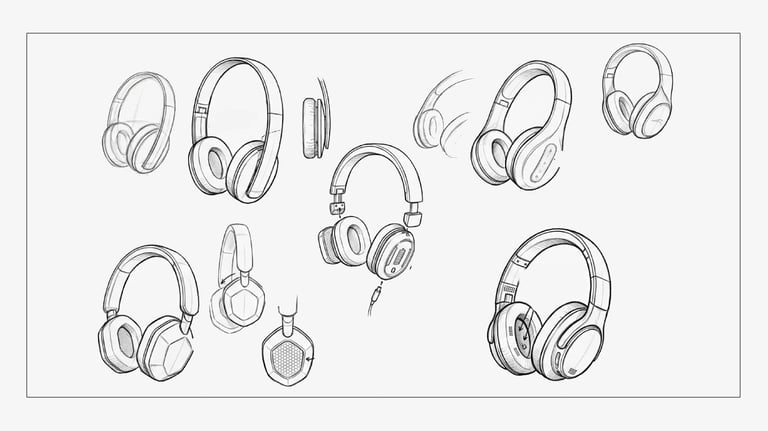
Sketching
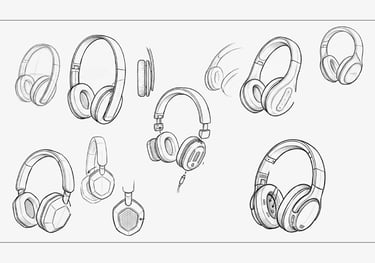
Rapid ideation to explore silhouette, proportions, and key details before committing. I pushed multiple directions in parallel (from clean minimal forms to more technical, feature-forward options), using quick perspective and detail callouts to test what felt right. The goal here is breadth first: generate options, spot patterns, then choose one concept worth refining.


Page Layouts
This page translates the chosen direction into a clear, build-ready story. The hero 3/4 view sets the intent and proportions, while the orthographic views lock down form, scale, and key geometry. On the right, the exploded view maps the internal architecture and how the product assembles.
Beauty Shot
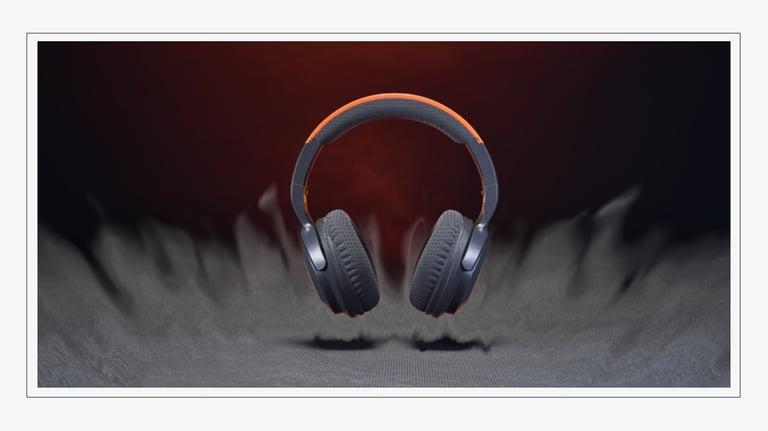
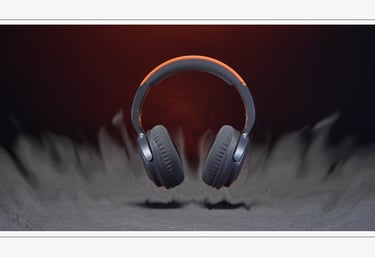
Simply to see what I can do with it in Unreal Engine 5
Concept Design Sheet
This sheet shows the concept family in one place—exploring variations in form factor (on-ear vs. over-ear) and CMF direction (matte, metallic, fabric, transparent accents) while keeping a consistent design language. Laying them out as a series makes it easy to compare silhouette, proportions, and perceived “premium” level side-by-side. The goal here is selection: narrow to the strongest direction before locking details and moving into the final concept sheet and 3D.
Material and Finish Exploration
This page is focused on CMF—testing how the same core design reads across different material palettes, surface finishes, and accent treatments.


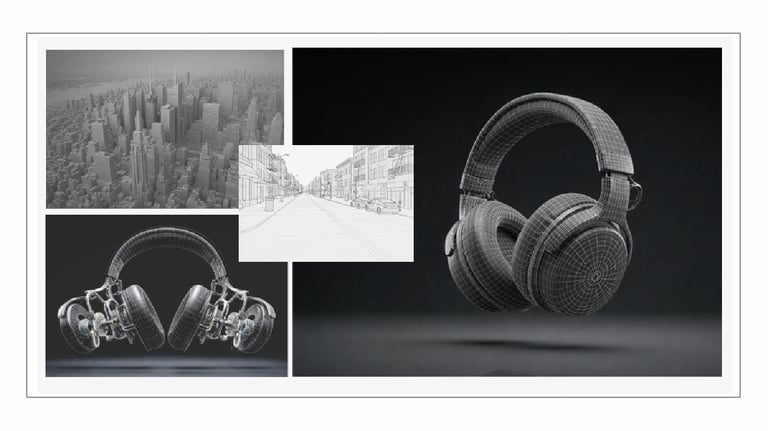
3d Models and Wireframes
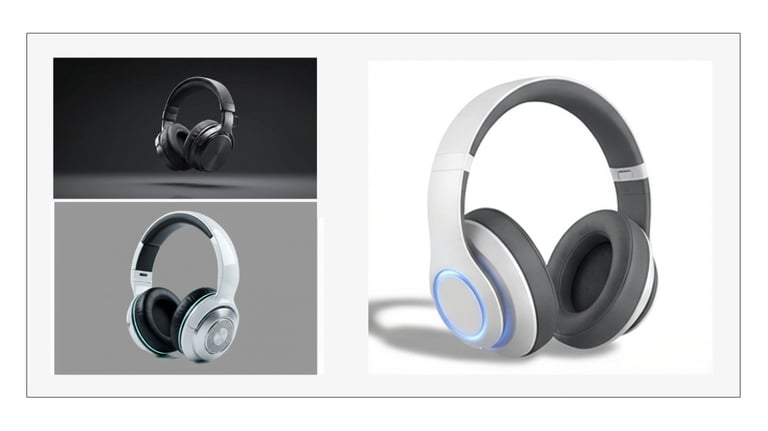
This page shows the 3D build in context—clean wireframe renders and exploded overlays to communicate modeling quality, part breakdown, and how everything fits together. The composited backgrounds help test presentation and scale while keeping the focus on form, construction, and assembly logic.
Solo Render Ideation
This page is pure look-dev: quick standalone renders to explore lighting, mood, and presentation styles before locking the final visuals. I’m testing how the design reads in different environments (studio, soft daylight, dark premium) and dialing in materials, highlights, and contrast to sharpen the product’s character. The goal is to choose a render direction that best sells the form and finish—then carry that consistency into the final hero and exploded views.
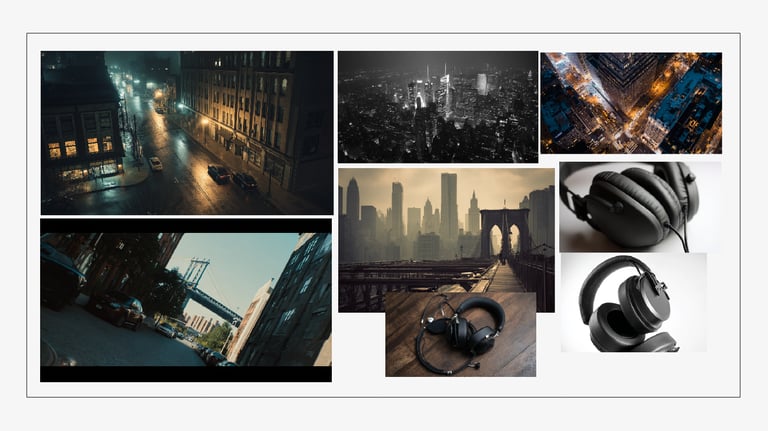
Mood board
This moodboard sets the tone for the project—moody urban night scenes, high-contrast lighting, and a clean “premium tech” vibe. I’m using it to guide camera language, color temperature, and surface treatment so the final renders feel intentional and consistent. It’s basically the project’s north star for atmosphere: sleek, modern, and a little cinematic.